

Introduction: Why Your Glove Choice Matters
As someone who’s spent countless hours researching baseball equipment, I understand the frustration of making the wrong purchase. Whether you’re a parent shopping for your child’s first mitt, a weekend league player upgrading your gear, or a serious athlete investing in professional-grade equipment, choosing the right baseball glove can make or break your game experience.
The baseball glove market offers hundreds of options across various price points, materials, and designs. This comprehensive guide will walk you through everything I’ve learned about selecting quality baseball mitts that match your specific needs, position, and budget.
Understanding Position-Specific Baseball Gloves: The Foundation of Smart Shopping
Why Position Matters When Selecting Your Mitt
One of the biggest mistakes I see buyers make is purchasing a generic baseball glove without considering their field position. Each position demands different glove characteristics:
Infield Gloves: As an infielder, you need a smaller, shallower pocket for quick ball transfer. The typical size ranges from 11 to 11.75 inches. The compact design allows for faster throws to first base or turning double plays.
Outfield Gloves: Outfielders require larger mitts (12.5 to 13 inches) with deeper pockets to secure fly balls. The extended reach helps track down long drives and line drives in the gaps.
Pitcher’s Gloves: Pitchers benefit from closed-web designs that conceal their grip, preventing batters from reading their pitches. Size typically falls between 11.5 to 12 inches.
Catcher’s Mitts: These specialized pieces feature extra padding and a unique rounded shape designed to handle high-velocity pitches and protect your hand.
First Base Gloves: First basemen use elongated mitts (12 to 13 inches) with a distinctive curved design for scooping throws from the dirt.
Understanding these distinctions saved me from wasting money on ill-suited equipment. Before spending a dollar, identify your primary position and research the specific glove characteristics that optimize performance for that role.
The Brand Question: Premium Quality vs. Budget Options
My Experience with Different Baseball Glove Manufacturers
After testing various brands throughout my playing years, I’ve developed strong opinions about the value proposition of premium manufacturers versus budget alternatives.
Why Established Brands Command Higher Prices
Leading baseball glove brands like Rawlings, Wilson, Mizuno, Nokona, and Easton have earned their reputation through decades of craftsmanship. These companies invest heavily in:
- Premium leather selection (full-grain steerhide, Japanese kip leather, or premium cowhide)
- Advanced manufacturing techniques
- Quality control processes
- Research and development for performance enhancement
- Professional player partnerships for design input
The True Cost of Cheap Baseball Mitts
I learned this lesson the hard way. My first budget glove lasted one season before the leather cracked, stitching failed, and the pocket lost its shape. Here’s what typically happens with low-quality options:
- Inferior Leather: Cheaper synthetic materials or low-grade leather break down quickly under regular use
- Poor Construction: Weak stitching and inadequate reinforcement lead to premature failure
- Uncomfortable Fit: Generic sizing and poor palm padding cause blisters and discomfort
- No Break-In Support: Quality gloves are designed to form to your hand; cheap options remain stiff or become too floppy
Finding Premium Quality Within Your Budget
The good news? You don’t need to spend $400 on a professional-level mitt to get excellent quality. Mid-range options ($80-$150) from reputable brands offer outstanding value. Look for:
- Previous year’s models at discount prices
- Youth or recreational lines from premium manufacturers
- Sales during off-season periods
- Certified refurbished professional-grade gloves
I’ve found exceptional deals by shopping strategically. A quality glove that costs $120 and lasts five years represents far better value than a $40 glove you’ll replace annually.
Online Shopping vs. In-Store Purchase: The Complete Comparison
Advantages of Online Baseball Glove Shopping
As someone who initially resisted online equipment purchases, I’ve come to appreciate certain advantages:
Wider Selection: Online retailers stock extensive inventories across all brands, sizes, and price points. You’re not limited to what your local sporting goods store happens to carry.
Price Competition: Comparing prices across multiple websites takes minutes. I’ve saved 20-30% by shopping online versus accepting local retail pricing.
Customer Reviews: Reading authentic experiences from other players provides invaluable insights into real-world performance, durability, and sizing accuracy.
Convenience: Shopping from home eliminates travel time and allows you to research thoroughly without sales pressure.
Specialty Options: Finding position-specific gloves, left-handed models, or unique colorways is significantly easier online.
Critical Factors When Buying Baseball Gloves Online
However, online shopping requires careful attention to specific details:
Size Verification: Glove measurements vary between manufacturers. Always check the specific dimensions rather than relying solely on stated size.
Material Composition: Confirm the exact leather type. “Genuine leather” can mean various quality levels. Look for specifics like “full-grain cowhide” or “premium steerhide.”
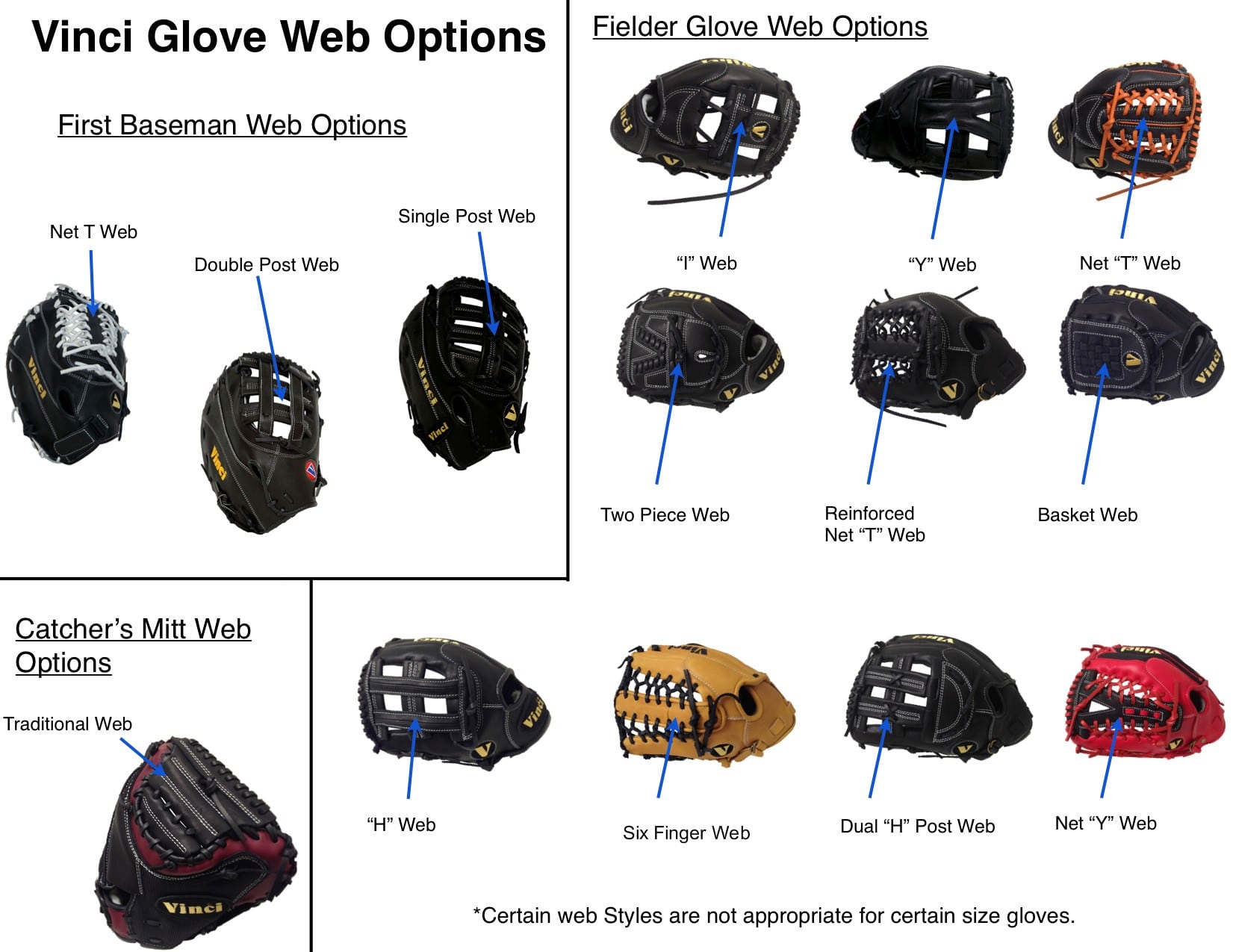
Web Style: Ensure the webbing pattern suits your position requirements.
Return Policy: Only purchase from retailers offering hassle-free returns with prepaid shipping labels.
Break-In Status: Some online retailers offer pre-conditioned or game-ready options, while others ship stiff gloves requiring extensive break-in.
Benefits of In-Store Baseball Glove Shopping
Despite embracing online shopping, I still see tremendous value in physical store purchases:
Hands-On Evaluation: Physically wearing the glove reveals fit issues immediately. You can test the pocket depth, wrist adjustment, and finger placement.
Instant Gratification: Walk out with your glove the same day. No waiting for shipping or dealing with delivery complications.
Expert Guidance: Knowledgeable staff can answer questions, demonstrate proper sizing, and recommend alternatives you might not have considered.
Try Before Buying: Testing multiple brands and models side-by-side provides comparative insights impossible to achieve online.
Immediate Problem Resolution: Defects, sizing issues, or dissatisfaction can be addressed instantly without return shipping hassles.
Supporting Local Business: Building relationships with local retailers often leads to ongoing support, maintenance advice, and insider information on sales.
My Recommended Buying Strategy: The Hybrid Approach
After years of trial and error, I’ve developed a strategy that maximizes the benefits of both shopping methods:
- Research Online Thoroughly: Study reviews, compare specifications, watch video demonstrations, and identify your top three models.
- Visit Local Stores: Try on your researched options or similar models to confirm sizing and feel.
- Compare Final Pricing: Check online prices against in-store costs, factoring in any sales tax, shipping charges, and return policy differences.
- Make Your Decision: If the price difference is minimal (within 10-15%), I prefer supporting local retailers. For significant savings (25%+), online purchase makes financial sense.
- Verify Return Policies: Regardless of your choice, ensure you can exchange or return if the glove doesn’t meet expectations.
Essential Quality Indicators When Evaluating Baseball Gloves
Leather Quality Assessment
Full-Grain Leather: The highest quality option, featuring the entire grain layer. It’s durable, develops beautiful patina, and maintains shape excellently.
Top-Grain Leather: Slightly lower quality with the top surface sanded. Still good durability but less premium feel.
Genuine Leather: The lowest quality grade, often meaning leather scraps bonded together. Avoid for serious play.
Construction Details to Examine
- Stitching Density: More stitches per inch indicates superior construction
- Lace Quality: Thick, consistent rawhide lacing suggests better manufacturing
- Palm Padding: Adequate cushioning protects your hand without adding excessive bulk
- Wrist Adjustment: Quality fastening systems (Velcro or strap) that allow customized fit
- Web Reinforcement: Extra stitching and leather backing at stress points
Breaking In Your New Baseball Glove: Setting Yourself Up for Success
Once you’ve made your purchase, proper break-in ensures optimal performance:
- Apply Glove Conditioner: Use manufacturer-recommended products, avoiding heavy oils that oversaturate leather
- Play Catch Regularly: Nothing beats actual use for forming the pocket naturally
- Use a Glove Mallet: Gently pound the pocket to soften leather fibers
- Practice Proper Storage: Keep your glove wrapped around a ball when not in use
Final Thoughts: Making Your Investment Count
Purchasing the perfect baseball glove requires balancing multiple factors: position requirements, quality standards, budget constraints, and shopping preferences. By approaching this decision methodically—researching thoroughly, trying before buying when possible, and prioritizing quality over price—you’ll find equipment that enhances your performance and lasts for years.
Remember, your glove becomes an extension of your hand on the field. Investing time in making the right choice pays dividends in every game you play. Whether you ultimately shop online for selection and savings or in-store for personalized service, the knowledge you’ve gained here will guide you toward a purchase you’ll be confident about.
Take your time, do your homework, and choose wisely. Your perfect baseball glove is out there waiting for you.