

Introduction: My Journey to Finding the Ideal Infield Glove
Standing at second base during a crucial playoff game, I watched helplessly as a routine ground ball popped out of my glove—a glove I’d purchased based solely on brand name and price. That embarrassing moment became my wake-up call: not all baseball gloves are created equal, and infielders need specialized equipment designed specifically for our unique demands.
After that disappointing season, I committed to understanding exactly what makes perfect baseball gloves for infielders. Through extensive research, conversations with coaches, testing multiple models, and countless hours of practice, I discovered that the right infield glove transforms performance from adequate to exceptional. Today, I’m sharing everything I learned to help you avoid my costly mistakes and find the ideal glove for your infield position.
Why Infield Gloves Are Fundamentally Different
The Critical Role of Infielders
Baseball’s outcome often hinges on split-second decisions made by infielders. Whether you’re turning a game-ending double play at second base, making a diving stop at shortstop, or fielding a screaming line drive at third base, your glove becomes the difference between victory and defeat. Unlike outfielders who have time to track fly balls, infielders face rapid-fire situations requiring lightning-fast reactions and precise ball control.
The intensity of infield play creates unique equipment requirements. Every ground ball comes with velocity and unpredictable hops. Every throw to first base demands quick transfers from glove to throwing hand. Every diving stop requires a glove that closes reliably while maintaining feel and control. These demands explain why choosing appropriate infielder baseball gloves matters so significantly.
Understanding Position-Specific Requirements
Through my experience playing multiple infield positions, I’ve learned that even within the infield, different positions benefit from subtle variations:
Second Base and Shortstop: These middle infield positions demand the quickest transfers for turning double plays. Gloves typically range from 11 to 11.5 inches with shallow pockets and open webbing patterns that facilitate rapid ball release.
Third Base: The “hot corner” requires slightly larger gloves (11.5 to 12 inches) with deeper pockets to handle screaming line drives and hard-hit ground balls. The extra pocket depth provides security without sacrificing transfer speed.
First Base: While technically infield, first basemen use specialized mitts (12 to 13 inches) with unique designs optimized for scooping throws and stretching for catches.
Understanding these nuances helped me select position-appropriate equipment rather than settling for generic “infield” gloves that compromise performance.
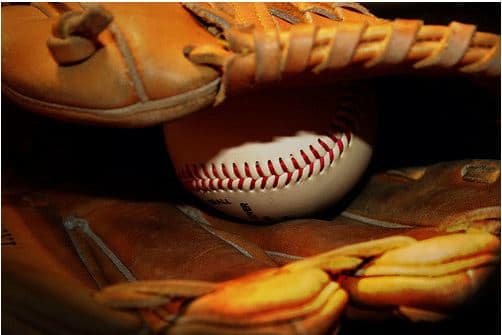
Essential Features That Define Quality Infield Gloves
1. Pocket Depth and Design
This feature proved most critical in my glove selection process. The pocket—where the ball rests during a catch—directly impacts your ability to secure and quickly release the ball.
Why Pocket Depth Matters:
Infielders face forceful throws and hard-hit balls that require secure pockets to prevent drops. However, overly deep pockets delay transfers, costing precious milliseconds during double-play situations. The ideal infield glove strikes a perfect balance: deep enough to cradle the ball securely, shallow enough to enable instant transfers.
When testing gloves, I discovered the sweet spot by catching balls at game speed. The ball should nestle into the pocket without disappearing completely. You should feel it settle without requiring excessive adjustment before throwing. Quality infielder gloves for baseball create this “catch and feel” sensation that builds confidence with every ground ball.
Pocket Break-In Considerations:
Premium leather gloves require proper break-in to develop optimal pocket shape. I learned to form my pocket by:
- Repeatedly catching balls to create natural creasing
- Placing a ball in the pocket and wrapping the glove tightly overnight
- Applying quality leather conditioner to accelerate the process
- Avoiding shortcuts like microwaving or excessive oil that damage leather
A well-formed pocket becomes an extension of your hand, automatically positioning the ball for quick transfers without conscious thought.
2. Webbing Patterns: The Heart of Infield Performance
Webbing connects your thumb to the rest of the glove, and selecting the right pattern dramatically affects performance. After testing various designs, I’ve identified the most effective options for infielders:
Closed Webbing Patterns:
These tightly-woven designs provide maximum support and ball security. The solid construction prevents balls from squeezing through gaps during difficult catches. I prefer closed webbing for several reasons:
- Superior ball retention: The tight weave cradles the ball securely even on off-center catches
- Increased pocket structure: Closed webbing maintains pocket shape better over time
- Better for hard-hit balls: Provides more material to absorb impact from line drives
- Concealment advantage: Pitchers benefit from hiding their grip, though this matters less for other positions
Popular closed webbing styles include basket webs and closed patterns that many professional middle infielders favor.
Open Webbing Options:
Some infielders prefer open webbing patterns like H-webs or I-webs because they offer:
- Slightly lighter weight for faster glove movement
- Better visibility when tracking pop-ups in sunny conditions
- Easier break-in process compared to closed webbing
- Quick pocket drainage in wet conditions
Through experimentation, I found closed webbing better suits my playing style at second base, but several teammates excel with open patterns. Testing both types during practice helped me make an informed decision.
Modified and Hybrid Webbing:
Modern glove manufacturers now offer hybrid designs combining closed webbing benefits with open pattern advantages. These innovations provide structural support while reducing weight—worth exploring if you’re purchasing premium infielder baseball mitts.
3. Back Design: Open vs. Closed Construction
The glove’s back—the area covering your wrist and hand—significantly impacts fit, feel, and performance. This often-overlooked feature became a game-changer for my fielding.
Open Back Advantages:
Open-back gloves feature a gap above the wrist area, offering distinct benefits for infielders:
- Enhanced flexibility: The opening allows greater wrist movement, crucial for quick adjustments and backhand plays
- Faster break-in: Less material means quicker adaptation to your hand shape
- Improved mobility: Critical for middle infielders making acrobatic plays
- Better feel: Direct contact between your hand and the back creates enhanced ball awareness
- Cooler comfort: The opening provides ventilation during hot weather
After switching to an open-back design, my range improved noticeably. The increased wrist flexibility enabled me to make plays on balls I previously couldn’t reach.
Closed Back Benefits:
Closed-back gloves provide complete coverage with these advantages:
- Maximum support: Extra material reinforces the glove structure for powerful catches
- Enhanced durability: More leather extends glove lifespan
- Added protection: Better shielding for your hand during hard-hit balls
- Traditional feel: Some players prefer the classic closed-back sensation
Third basemen often favor closed-back designs for the additional protection against screaming line drives. Your position and personal preference should guide this decision.
4. Size and Fit: Getting the Measurements Right
Proper sizing proved absolutely essential for optimal performance. Too large creates control problems; too small limits your catching range.
Standard Infield Glove Sizes:
- Youth infielders (ages 8-12): 10.5 to 11 inches
- High school infielders: 11 to 11.75 inches
- Adult second base/shortstop: 11 to 11.5 inches
- Adult third base: 11.5 to 12 inches
- Adult first base mitts: 12 to 13 inches
These measurements run from the glove’s heel to the tip of the longest finger. However, numbers alone don’t guarantee proper fit.
The Fitting Process I Follow:
When trying gloves, I perform these checks:
- Finger placement: My fingers should reach near the fingertips without excessive space
- Palm contact: The glove should sit snugly against my palm
- Closure test: I should close the glove completely with normal hand strength
- Wrist security: The wrist strap or Velcro should secure comfortably without cutting circulation
- Weight assessment: The glove should feel substantial but not heavy during extended use
I always test multiple sizes from different manufacturers since sizing varies between brands. What fits perfectly in one brand might feel completely different in another.
5. Leather Quality and Construction
Material quality determines durability, performance, and break-in characteristics. Through experience with various glove types, I’ve learned to identify quality construction:
Premium Full-Grain Leather:
Top-tier infield gloves use full-grain leather offering:
- Exceptional durability lasting multiple seasons
- Superior break-in that molds perfectly to your hand
- Best ball control and pocket retention
- Professional-grade performance
These gloves require patience during break-in but reward you with unmatched performance once properly conditioned.
Quality Top-Grain Leather:
Mid-range gloves typically feature top-grain leather providing:
- Excellent value balancing cost and performance
- Moderate break-in requirements
- Good durability for serious recreational and high school players
- Reliable performance without premium pricing
This category represents the sweet spot for most infielders seeking quality without breaking the bank.
Synthetic and Composite Materials:
Budget-friendly options use synthetic materials offering:
- Immediate playability with minimal break-in
- Lower price points for youth or recreational players
- Lighter weight for younger athletes
- Shorter lifespan compared to leather alternatives
Construction Quality Indicators:
Examine these details when evaluating gloves:
- Stitching: Reinforced double stitching at stress points indicates quality
- Leather thickness: Premium gloves use appropriate thickness—not too stiff, not too flimsy
- Palm padding: Adequate protection without excessive bulk
- Lacing: Quality leather laces that won’t break prematurely
- Brand reputation: Established manufacturers typically maintain higher standards
6. Hand Orientation: Right vs. Left-Handed Gloves
This seems obvious but causes confusion: right-handed throwers wear left-handed gloves (on the left hand), while left-handed throwers wear right-handed gloves. Always verify the correct orientation before purchasing, especially when shopping online.
My Strategic Buying Process
Research and Comparison Shopping
I begin by identifying position-appropriate models from reputable manufacturers. Reading reviews from other infielders provides valuable insights about durability, break-in requirements, and real-world performance. I create a shortlist of 3-5 models matching my requirements and budget.
In-Store vs. Online Purchasing
In-Store Advantages:
- Hands-on testing ensures proper fit
- Feeling leather quality and construction
- Immediate expert guidance from knowledgeable staff
- Trying multiple sizes and styles
- Taking the glove home immediately
Online Benefits:
- Broader selection including previous-year models
- Competitive pricing and seasonal sales
- Detailed customer reviews
- Convenient comparison shopping
- Access to specialty models not stocked locally
My preferred approach: Visit sporting goods stores to determine exact size and preferred models, then compare prices online. Many retailers offer price matching, providing best-of-both-worlds benefits.
Budget Considerations
Quality infield gloves range from $50 for entry-level leather models to $400+ for professional-grade options. Through trial and error, I’ve found the $100-$200 range offers excellent performance for serious high school and adult recreational players.
Budget Allocation Strategy:
- Youth players (under 12): $50-$100—they’ll outgrow gloves quickly
- Serious youth/high school: $100-$200—quality that supports skill development
- College/competitive adult: $200-$350—premium performance and durability
- Professional/elite: $350+—top-tier materials and craftsmanship
Investing appropriately for your skill level and commitment makes financial sense while avoiding overspending on features you won’t utilize.
Common Mistakes to Avoid
Reflecting on my glove-buying journey, these pitfalls appear frequently:
- Buying based on brand alone: Famous names don’t guarantee proper fit for your hand
- Choosing the wrong size: Bigger isn’t better for infielders
- Ignoring position-specific features: Generic gloves compromise performance
- Neglecting break-in time: Quality leather requires patience
- Overlooking webbing patterns: This dramatically affects ball control
- Skipping the fitting process: Never buy without trying
- Falling for gimmicks: Flashy colors don’t equal quality construction
- Forgetting maintenance: Even premium gloves need care
Care and Maintenance for Longevity
Protecting your investment requires minimal but consistent maintenance:
Regular Care:
- Clean dirt and debris after each use
- Apply leather conditioner monthly during season
- Store with ball in pocket to maintain shape
- Keep away from extreme heat or moisture
- Re-lace when necessary
Off-Season Storage:
- Deep clean with quality leather cleaner
- Apply conditioning treatment
- Store in cool, dry location
- Avoid compressing under heavy objects
My gloves last 3-4 seasons with proper care—far better value than replacing cheap gloves annually.
Final Recommendations: Making Your Decision
After extensive testing and real-game experience, finding perfect baseball gloves for infielders comes down to matching features to your specific needs:
Prioritize fit above everything else. The best glove is worthless if it doesn’t fit your hand properly.
Select position-appropriate sizes and features. Middle infielders benefit from smaller, quicker gloves; third basemen need slightly larger options.
Choose quality construction within your budget. Mid-range leather gloves offer tremendous value for most players.
Test multiple options before deciding. What works for teammates might not suit your hand or playing style.
Allow adequate break-in time. Rush the process and you’ll compromise performance.
The right infielder glove becomes a trusted partner in your defensive arsenal. It responds instinctively during crucial moments, inspires confidence on difficult plays, and helps you perform at your highest level. Take time to research, test options thoroughly, and invest wisely. Your fielding percentage—and your team—will thank you for choosing the perfect baseball gloves for infielders that match your position, skill level, and playing style.